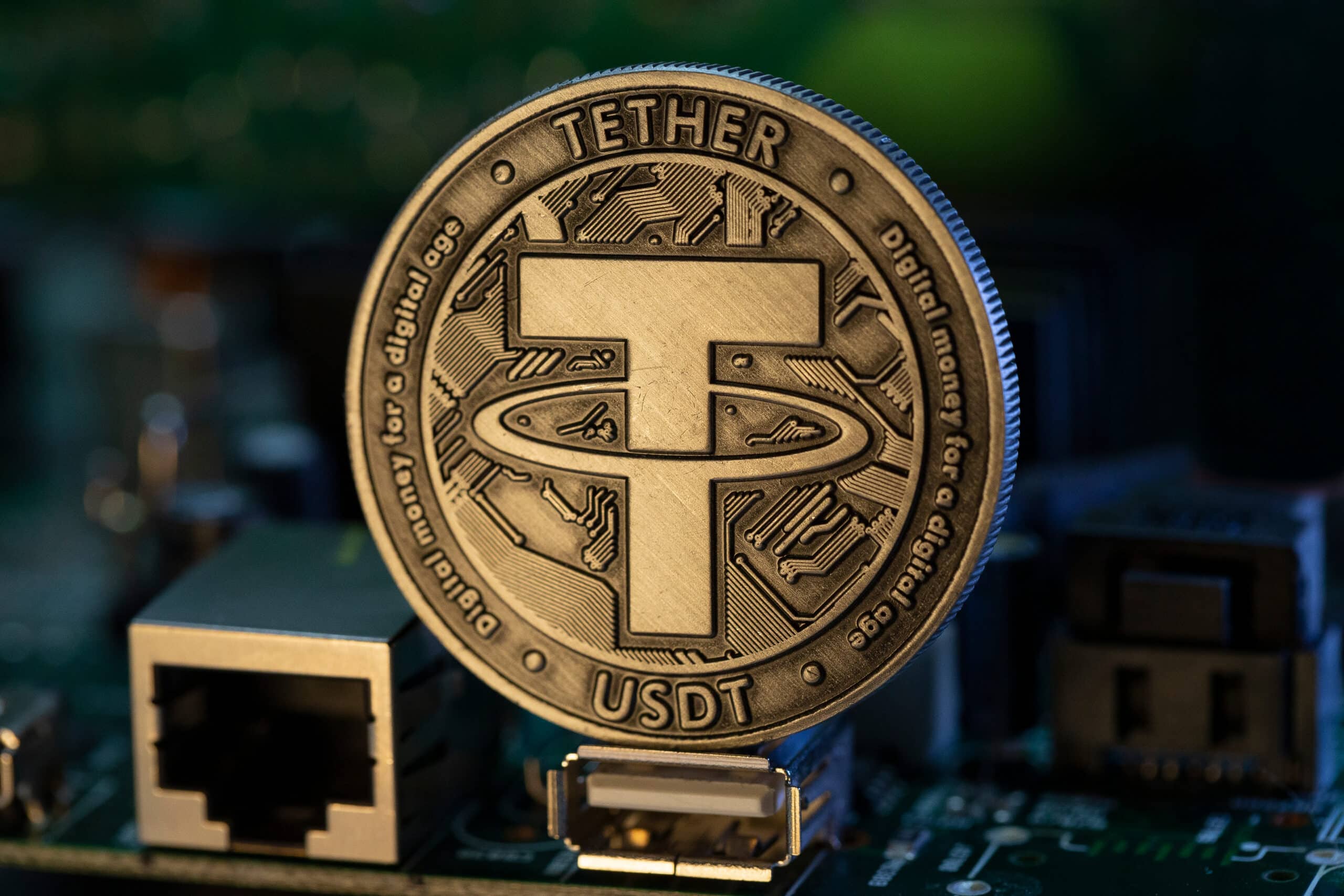
Tether Expands Workforce to 300, Plans 150 More Hires Over 18 Months
What Is Driving Tether’s Latest Expansion?
Tether has expanded its workforce to about 300 employees and plans to hire another 150 over the next 18 months, according to a Financial Times report published on Sunday. The stablecoin issuer is using rising profits from USDT to fund new hires, technology work, and a widening range of investments across multiple sectors.
Most of the planned hiring will focus on engineers, the report said, reflecting continued spending on infrastructure and internal development. At the same time, Tether is recruiting outside core engineering, with job postings for roles such as AI filmmakers in Italy, venture associates in the United Arab Emirates, and regulatory specialists in Ghana and Brazil.
The expansion reflects a company that is no longer operating as a lean stablecoin issuer, but as a diversified group using USDT cash flows to fund longer-term projects and international reach.
Investor Takeaway
How Strong Is the USDT Growth Backing This Strategy?
Tether’s expansion is closely tied to continued growth in USDT adoption. According to data cited in the report, the stablecoin’s market capitalization has risen to roughly $185 billion, up from about $140 billion a year earlier. That growth has increased the interest income generated from reserve assets, giving the company more flexibility to deploy capital.
Unlike many crypto firms that remain dependent on external funding or token issuance, Tether’s business model benefits directly from higher interest rates and larger circulating supply. This has allowed it to fund hiring and investments without tapping public markets.
The company’s approach contrasts with peers that rely more heavily on venture capital or public listings to finance expansion, especially as competition among stablecoin issuers increases.
Where Is Tether Deploying Capital?
The Financial Times report outlined a broad investment footprint spanning sports, agriculture, media, and advanced technology. Tether has invested in South American agricultural ventures, Italy’s Juventus football club, and a range of technology projects including robotics, satellites, and artificial intelligence.
One of the larger disclosed deals was a roughly $775 million investment in Rumble, a video platform that recently launched a non-custodial crypto wallet integrated directly into its service. The company has also increased its exposure to metals through a $150 million investment in Gold.com, part of a wider effort to link digital assets with physical reserves.
In parallel, Tether invested $100 million in Anchorage Digital, strengthening ties with US-regulated crypto infrastructure as scrutiny around stablecoin custody and reserves continues.
Investor Takeaway
What Vision Is Guiding Tether’s Strategy?
At a recent conference in San Salvador, Tether CEO Paolo Ardoino described a broader roadmap for the company, referring to plans for a “freedom tech stack” spanning finance, communications, intelligence, and energy, according to the Financial Times. The comments point to ambitions that go well beyond issuing a dollar-pegged token.
This direction comes as competition intensifies from other stablecoin issuers, including Circle, which went public last year. At the same time, regulators in multiple jurisdictions continue to examine reserve transparency, governance, and compliance standards for stablecoin operators.
Tether has sought regulatory footholds outside the United States, including in Abu Dhabi Global Market, while continuing to operate at a global scale. That geographic spread, combined with a growing headcount and investment portfolio, suggests the company is preparing for a longer regulatory and competitive cycle rather than short-term market swings.
What Comes Next?
If USDT circulation continues to rise, Tether is likely to keep directing excess profits into hiring and assets that support its wider ecosystem. The challenge will be managing regulatory pressure while operating across sectors that extend far beyond stablecoins.