PepsiCo raises dividend again to extend legendary streak
PepsiCo isn’t just a Dividend King. It’s one of the most reliable income machines in the entire stock market.
The beverage behemoth announced a 4% dividend increase alongside its fourth-quarter 2025 earnings, marking the 54th consecutive year it has raised its payout.
That’s not a typo: Pepsi (PEP) has a record of 54 straight years of dividend hikes — through recessions, pandemics, and everything in between.
For income investors, that kind of consistency is hard to put a price on.
Pepsi is a Dividend King
Pepsi is forecast to grow its free cash flow from $7.67 billion in 2025 to $14.88 billion in 2030, indicating a compounded annual growth rate (CAGR) of almost 15%.
A widening FCF base should translate to further dividend hikes.
More Dividend Stocks:
- Jim Simons’ Renaissance lowers stake by $700M in hot dividend stock
- Dell delivers jaw-dropping dividend news as AI sales accelerate
- 84-year-old Dividend King tops $1 trillion valuation milestone
Analysts tracking the blue-chip stock forecast the annual dividend to increase to $7.11 per share in 2030, up from $5.69 per share in 2026.
Key Pepsi stock dividend ratios
For dividend investors, PepsiCo remains one of the gold-standard names in the market. Here’s a snapshot of the key metrics:
- Consecutive years of dividend increases: 54 years (Dividend King status)
- Most recent dividend increase: 4% (announced Feb. 3, 2026)
- Annual dividend per share (approximate): ~$5.69
- Dividend yield (approximate): ~3.4% (based on share price near $168)
- 20-year dividend growth rate (CAGR): approximately 8%
- Free cash flow conversion target (2027): over 90%
- Operating margin improvement target: at least 100 basis points over three years
PepsiCo’s Q4 results beat estimates
The dividend news came alongside a quarterly report that gave investors plenty to cheer about.
PepsiCo beat analyst estimates on both the top and bottom lines in Q4 2025. Here’s how the numbers stacked up against Wall Street‘s expectations.
In the December quarter, Pepsi reported:
- Revenue of $29.34 billion vs. estimates of $28.97 billion.
- EPS of $2.26 vs. estimates of $2.24.
While Pepsi beat consensus estimates, global food volume fell 2% in Q4. Volume is a measure of actual demand and excludes the impacts of pricing and foreign exchange.
Consumers are pushing back on high prices amid a sluggish macro environment. Inflation-weary shoppers, especially lower- and middle-income households, have been buying less.
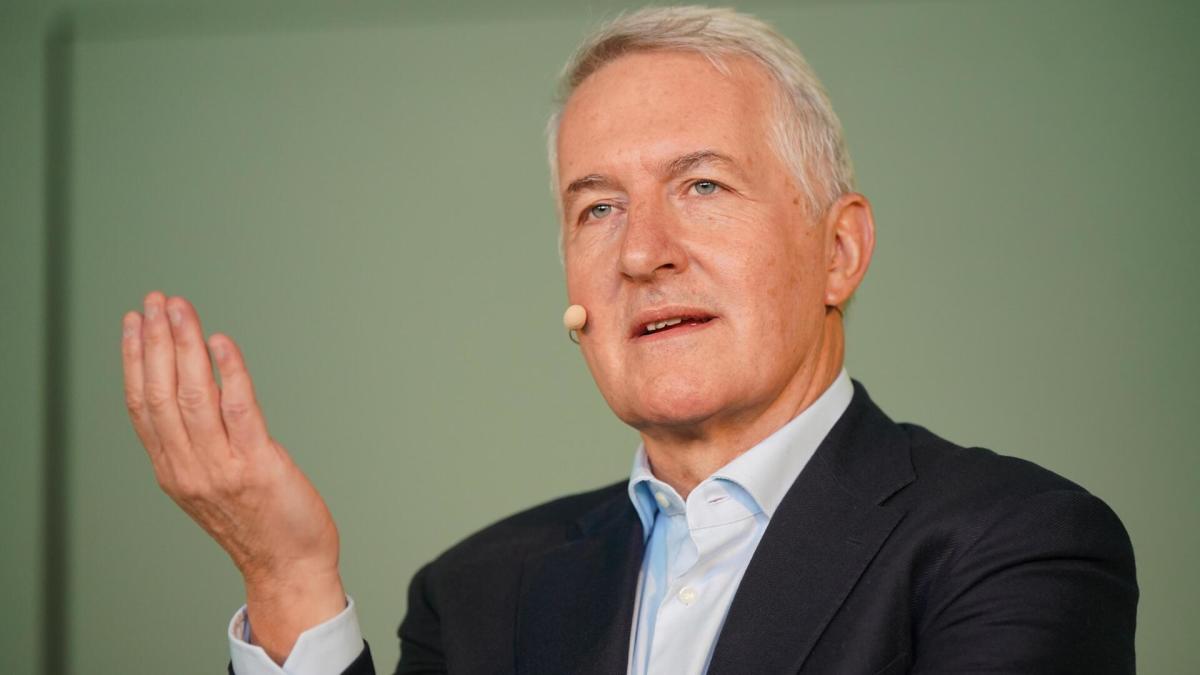
PepsiCo CEO Ramon Laguarta stated:
Pepsi cuts prices to win back shoppers
Ramon Laguarta was direct about the challenge on the company’s earnings call. “Affordability” is the biggest obstacle standing in the way of the company’s higher-volume growth.
Pepsi is now considering to lower product prices across categories, which should impact near-term margins.
The company plans to lower prices on select packages of Lay’s, Tostitos, Doritos, and Cheetos in early 2026.
But Laguarta was clear that this isn’t a blanket discount strategy. It’s targeted at specific brands, formats, and channels where price friction is highest.
Pepsi says productivity savings will fund the initiative, so margins shouldn’t take a major hit. In fact, PepsiCo expects Frito-Lay to grow volume, net revenue, and operating profit this year — even with the price investments.
One early sign the strategy is working: major retail partners have responded with enthusiasm.
PepsiCo expects a double-digit increase in shelf space with its top retail customers starting this spring. More shelf space typically means more sales.
Related: Coca-Cola and Pepsi bring back classic flavors, launch new ones
Meanwhile, four of PepsiCo’s biggest brands — Lay’s, Tostitos, Gatorade, and Quaker — are getting makeovers. Think simpler ingredients, no artificial colors or flavors, and new packaging designed to win back health-conscious consumers.
PepsiCo is also leaning into growth areas like fiber, protein, hydration, and energy drinks. It recently acquired Poppi and Siete, and has a distribution deal with CELSIUS, giving it a foothold in the fast-growing functional beverage market.
What’s next for Pepsi stock investors
PepsiCo provided its 2026 guidance in December and reiterated it with the Q4 results. The company is projecting organic revenue growth of 2% to 4% for the full year, with core constant currency earnings per share growth of 4% to 6%.
Management expects the business to accelerate in the second half of the year, as more initiatives take hold and recent acquisitions like Poppi and Siete transition into the organic revenue base.
CFO Steve Schmitt also laid out a path toward over 90% free cash flow conversion by 2027. One tailwind is the $1 billion payment tied to the Tax Cuts and Jobs Act, which drops off after 2026, freeing up significant cash.
The “longer-term algorithm” calls for mid-single-digit organic revenue growth, 100-plus basis points of operating margin expansion over three years, and high-single-digit EPS growth.
Combine that with a growing dividend, and you have a return profile that income-focused investors have come to rely on.
For 54 years, PepsiCo has found a way to keep raising that dividend, through good times and bad. Nothing about the current environment suggests year 55 is in doubt.
Related: How much to invest in Pepsi for $1,000 in annual dividends (2026)