Evening digest: US eases shipping rules, Bitcoin slips below $72K
On Wednesday, the Federal Reserve held the policy rates, while the US wholesale inflation surged.
Trump administration also allowed a waiver permitting foreign-flagged vessels to transport fuel between domestic ports to address price pressures and supply disruptions linked to the Iran conflict.
US Fed holds rates amid geopolitical uncertainty
The US Federal Reserve kept interest rates unchanged, maintaining a cautious stance as it assessed the economic impact of the Middle East conflict and mixed domestic data.
The Federal Open Market Committee voted 11-1 to hold the benchmark rate in a range of 3.5% to 3.75%, with Governor Stephen Miran dissenting in favor of a rate cut.
Fed Chair Jerome Powell acknowledged rising near-term inflation risks linked to energy markets.
“Near-term measures of inflation expectations have risen in recent weeks, likely reflecting the substantial rise in oil prices caused by the supply disruptions in the Middle East,” he said.
In its official statement, the Fed emphasized uncertainty around geopolitical developments.
“The implications of developments in the Middle East for the US economy are uncertain,” officials said. “The committee is attentive to the risks to both sides of its dual mandate.”
Policymakers maintained their outlook for one rate cut in 2026 and another in 2027, while avoiding any signal toward rate hikes this year.
However, changes in labor market language suggested growing caution, with officials noting that unemployment has been “little changed in recent months.”
Hot PPI data raises concerns over persistent inflation
Fresh data added to the Fed’s challenge, as US wholesale inflation rose more than expected in February.
The Producer Price Index (PPI) increased 0.7% month-on-month, well above forecasts of 0.3%, while annual PPI climbed to 3.4%, marking its highest level in a year.
Core PPI, which excludes food and energy, also exceeded expectations, rising 0.5% on the month and 3.9% year-on-year.
The increase was driven largely by higher services costs, which rose 0.5%, including a 1% jump in portfolio management fees and a 4.2% increase in prices for securities brokerage and investment advisory services.
US eases shipping rules to stabilize fuel supplies
In response to rising energy prices and supply disruptions, the Trump administration announced a 60-day waiver of the Jones Act, allowing foreign-flagged vessels to transport fuel and other goods between US ports.
The move is aimed at easing logistical constraints caused by the Iran conflict, which has disrupted shipping routes and driven gasoline prices higher.
White House spokeswoman Karoline Leavitt described the measure as “another step to mitigate the short-term disruptions to the oil market as the US military continues meeting the objectives of Operation Epic Fury.”
The waiver, however, drew criticism from industry groups, with the American Maritime Partnership warning it could undermine US maritime jobs.
Analysts cautioned that the impact on fuel prices may be limited.
The Strait of Hormuz, a key global energy chokepoint, remains a central concern, handling roughly a fifth of global oil and liquefied natural gas flows.
Bitcoin slips as macro pressures trigger volatility
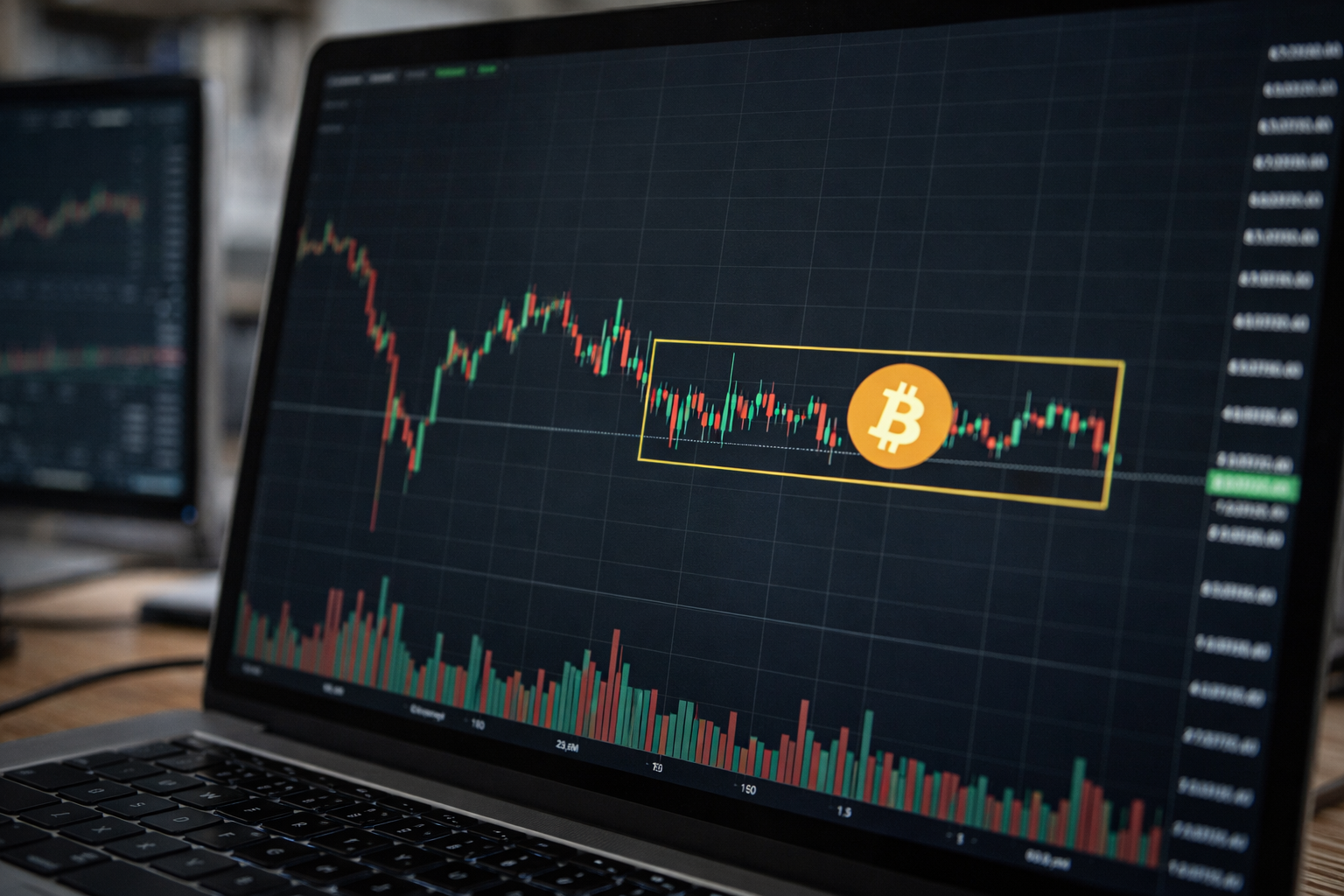
Bitcoin came under pressure, falling 4.8% to around $71,070 amid a broader market selloff following the inflation data.
Market volatility has been driven by a combination of macroeconomic uncertainty, rising oil prices, and geopolitical tensions linked to the Iran conflict.
Technical indicators suggest Bitcoin remains in a short-term uptrend, supported by key moving averages, though traders are closely watching critical support levels between $70,250 and $71,275.
On-chain data also pointed to increased profit-taking, with over 48,000 BTC moved to exchanges as prices approached $75,000.
At the same time, bid absorption during recent declines indicates continued demand at lower levels, raising the possibility of near-term stabilization.
The post Evening digest: US eases shipping rules, Bitcoin slips below $72K appeared first on Invezz